Air conditioning might seem like a modern luxury, but its roots stretch way back in history. The earliest attempts at cooling down spaces date back to ancient Egypt, where people hung wet reeds in windows. When the breeze blew through, it cooled things down. Pretty clever, right?
Fast forward to the 19th century, and things started to get a little fancier. In 1820, a guy named Michael Faraday discovered that compressing ammonia gas could produce a cooling effect. This was a big deal but didn’t quite catch on for home use just yet.
Then came 1902, when Willis Carrier came into the picture. He created the first modern air conditioning unit to control humidity at a printing plant. His invention didn’t just cool the air; it made it more comfortable to work in. Soon after, air conditioning found its way into theaters, helping folks escape the summer heat while catching a flick.
By the 1950s, air conditioning started showing up in homes. People loved the idea of keeping cool during those scorching summer months. It wasn’t just a trend; it changed how we build and live in homes. Suddenly, staying comfortable indoors became a priority, and air conditioning became a standard feature in many houses.
How Technology Changed Cooling Systems
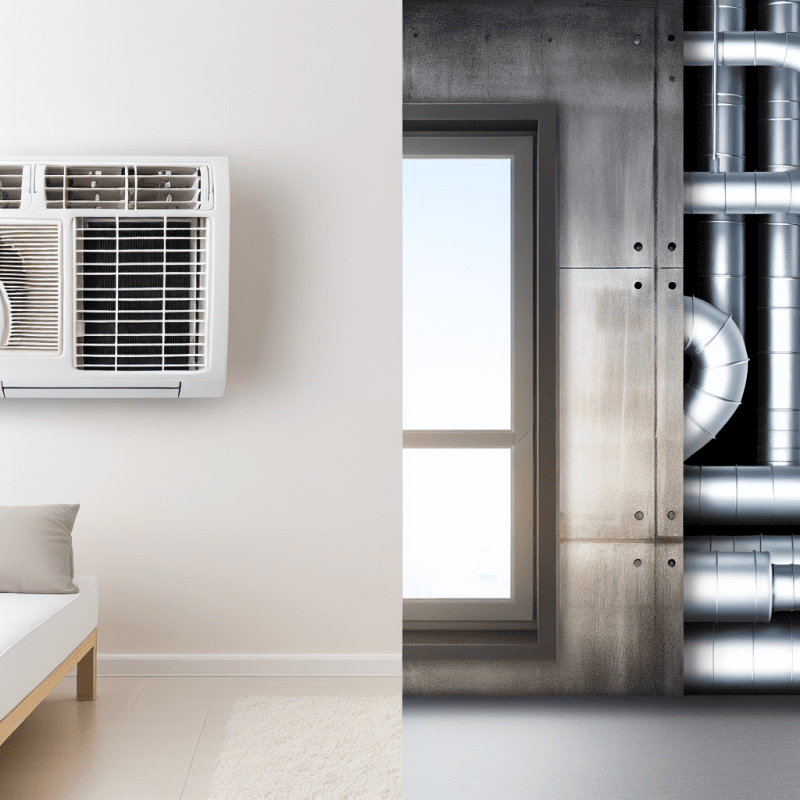
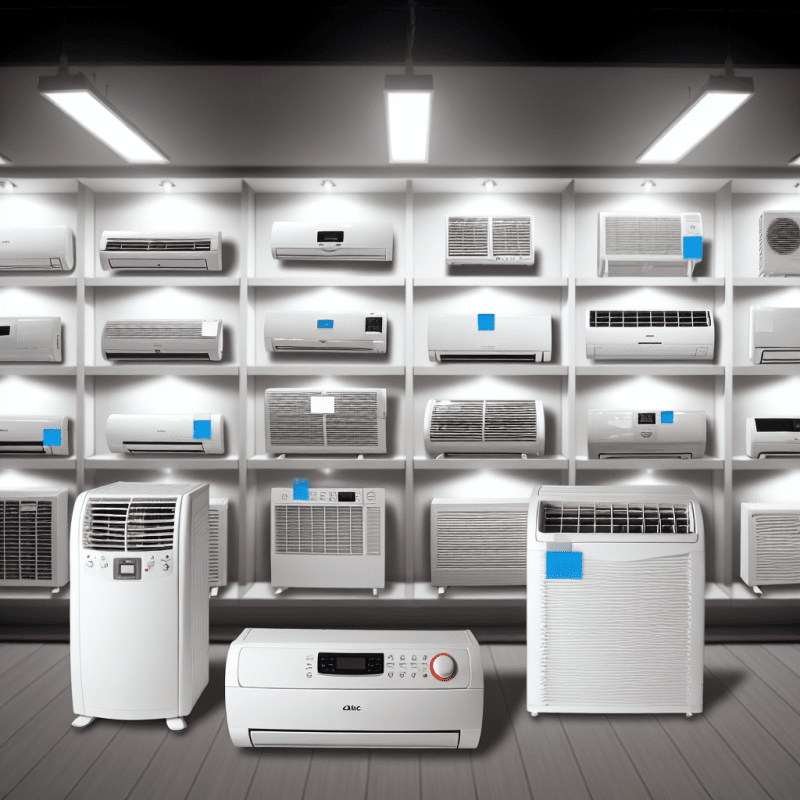
Technology has really shaken up the way we cool our spaces. Remember when window units ruled the game? They were bulky, loud, and sometimes didn't even fit right. Fast forward to today, and we have mini splits that are sleek, quiet, and super efficient. It’s like the difference between riding a bike and jumping in a car!
Mini splits are a standout. They let you control the temperature in different rooms without cranking up the whole house. You can keep your bedroom cool while the living room is cozy. This personal touch is a game changer, especially for families with varied comfort levels.
Then there are smart features. Many modern systems connect to your phone or smart home devices. You can adjust the temperature before you get home or set schedules to save energy when you're away. That means lower bills and a cozy space waiting for you when you walk in.
Let’s not forget energy efficiency. Today’s cooling systems use advanced technology to cool your space without guzzling power. This not only saves you money but is also better for the environment. It’s a win-win situation: you get a cool home and feel good about helping the planet.
Innovations in Energy Efficiency
Energy efficiency is a game-changer in the world of air conditioning. With rising energy costs and growing environmental concerns, manufacturers have stepped up their game. Modern air conditioning units now boast advanced technologies that help you keep cool without breaking the bank.
One innovation you’ll love is variable speed compressors. Unlike traditional units that just turn on and off, variable speed compressors adjust their speed to maintain the desired temperature. This means they use less energy, reduce wear and tear, and keep your home at a comfy temperature without those annoying temperature swings.
Another big leap is smart technology. Many new units come with Wi-Fi connectivity, so you can control them right from your smartphone. You can set schedules, adjust temperatures, or even turn the unit on and off when you’re away. This not only saves energy but also gives you complete control, so you always come home to a cool space.
Don’t forget about improved insulation and advanced refrigerants. Modern units use better insulation materials to prevent energy loss, and new refrigerants are designed to be more eco-friendly. This means your unit not only runs efficiently but also has a reduced impact on the planet.
Today's Smart Air Conditioning Units
These units often include smart thermostats that learn your habits. They can figure out when you're home or away and adjust the temperature accordingly, saving you money on energy bills. Plus, many models can send you alerts when it’s time for maintenance or filter changes. You’ll rarely have to worry about things getting out of hand.
Smart AC units also integrate with your home’s smart ecosystem. If you have smart speakers or other smart home devices, these units can easily sync up. Imagine asking your virtual assistant to cool down the living room before you even walk through the door. They'll help create a cozy environment without you lifting a finger.
Let’s not forget energy efficiency. Many of these models are designed to use less energy while still cooling your space effectively. This means a smaller carbon footprint and lower utility bills. Some even come with features like eco modes that adjust performance based on current conditions to maximize efficiency.