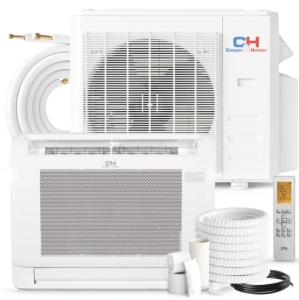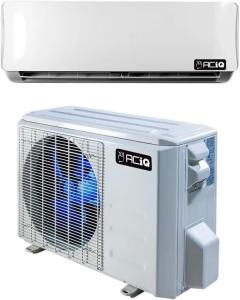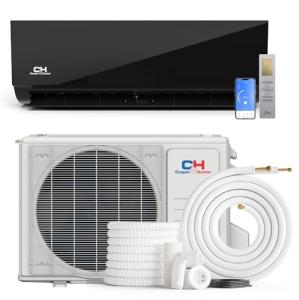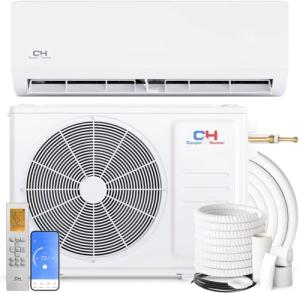
When it comes to heating and cooling your home, mini splits and heat pumps are two popular options. Each has its advantages, but understanding what makes them different can help you make the best choice for your needs. In this mini split vs heat pump comparison, we’ll explore what each system does and how they stack up against each other.
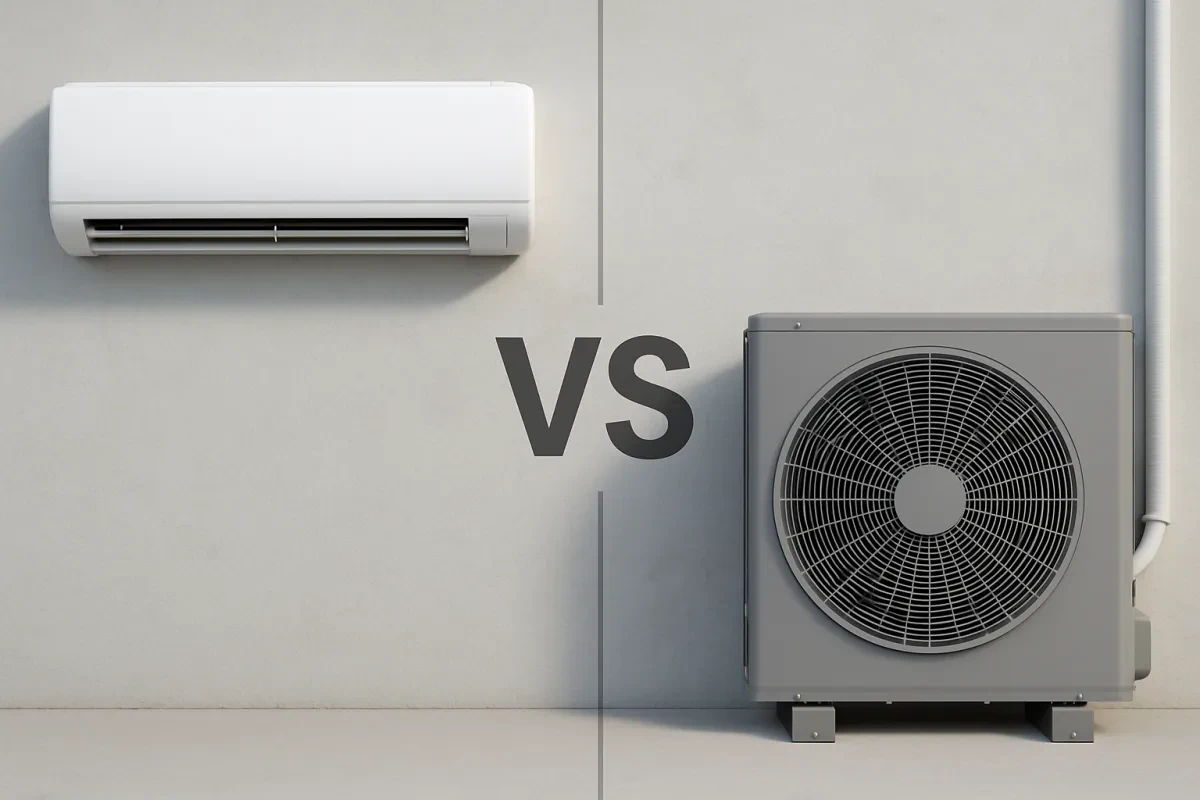
Mini splits are compact systems that consist of two main components: an indoor air-handling unit and an outdoor compressor. They’re great for homes without ducts because they can be installed in individual rooms. You get the benefit of heating or cooling just one space without having to mess with your entire HVAC setup. Plus, their energy efficiency is impressive, which can save you money on your utility bills.
Heat pumps, on the other hand, work by transferring heat rather than generating it. They can heat your home in winter and cool it in summer. Many heat pumps use the same system for both functions, making them versatile and efficient. They’re especially good for moderate climates where temperatures don’t drop too low, but they may struggle in extreme cold.
In this mini split vs heat pump comparison, consider factors like installation costs and efficiency. Mini splits often have a higher upfront cost, but they can provide significant savings in energy bills over time. Heat pumps might be less expensive to install, but how well they work can depend on where you live and your specific heating and cooling needs.
Heat Pump Basics
When you hear about heating and cooling systems, you might come across the terms "mini split" and "heat pump." They often get thrown around in discussions about home comfort, but they’re not the same thing. Understanding the basics of each can help you figure out which option works best for your space.
A heat pump is a versatile system that can both heat and cool your home. It moves heat from one place to another, rather than generating heat. In winter, it pulls warmth from outside air (even when it's chilly) and sends it indoors. In summer, it does the opposite, pushing warm air out to keep your home cool. This makes heat pumps energy-efficient and eco-friendly, since they use less electricity compared to traditional heating methods.
On the other hand, a mini split system is often a type of heat pump. These are great for homes without ductwork. They consist of an indoor unit and an outdoor compressor, allowing for zone heating and cooling. You can easily control the temperature in different rooms without spending a fortune on energy bills. So, if you've got a smaller living space or want to customize the comfort in your home, a mini split system might be the way to go.
In a mini split vs heat pump comparison, think about your home’s layout and your comfort needs. If you already have ductwork, a heat pump could be a seamless choice. But if you’re starting fresh or want to minimize renovations, a mini split could be ideal. Both options offer energy savings and comfort, but choosing between them comes down to how you plan to use them in your space.
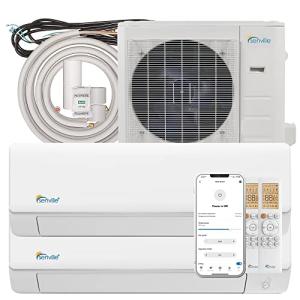
Senville 18000 BTU Dual Zone Mini Split AC
Cool and heat two spaces simultaneously with this efficient and versatile mini split system
Product information
$2,099.99
Product Review Score
4.54 out of 5 stars
202 reviewsProduct links
Key Differences Explained
When diving into the mini split vs heat pump comparison, it’s crucial to know what sets these two apart. Both systems are designed to keep your home comfortable, but they do it in different ways. Understanding their unique features helps you make the best choice for your needs.
First off, let's talk about mini splits. These systems consist of an outdoor unit and one or more indoor units. They’re super versatile. You can install them almost anywhere, and they’re great for individual room control. If you only need to heat or cool certain areas of your home, mini splits can be ideal. They also come with a sleek design, so you won't have to compromise on aesthetics.
On the flip side, heat pumps work differently. They can be either air-source or ground-source and tend to be more suited for whole-home heating and cooling. A heat pump pulls heat from the air or ground and transfers it into your home. It can do the opposite in summer—pulling heat out. Heat pumps are typically more energy-efficient when set up for entire homes, making them a budget-friendly choice in the long run.
Another big consideration in the mini split vs heat pump comparison is installation. Mini splits are easier to install, especially in retrofitting scenarios. You won’t need to worry about ductwork, which is a big plus. Heat pumps, however, might require more space and a more complex installation, but they often save you on energy costs over time.
Ultimately, the choice between mini splits and heat pumps comes down to your specific heating and cooling needs, budget, and how you plan to use each system. Both options have their strengths, so it’s all about what fits your lifestyle and home best!
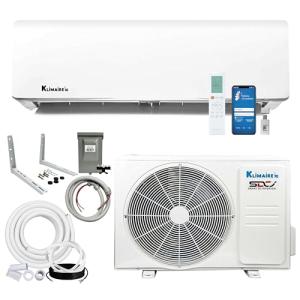
Klimaire 12,000 BTU Ductless Mini-Split System
Experience cool comfort and heated warmth all year round with this efficient mini-split system
Product information
$559.00
Product Review Score
4.78 out of 5 stars
52 reviewsProduct links
Choosing the Right Option
When diving into the mini split vs heat pump comparison, it's super important to know your specific needs. Are you looking to heat or cool a single room, or do you need climate control for the whole house? Mini splits are great for individual spaces and offer flexibility, while heat pumps are typically designed for larger areas.
Think about energy efficiency too. Mini splits usually score high on energy ratings since they don't lose energy through ductwork. If you're all about saving on energy bills, a mini split could be your best bet. On the flip side, heat pumps can still be efficient, especially in milder climates.
Installation is another big factor. Mini splits are easier and quicker to install, with no ductwork needed. They come with an indoor and an outdoor unit, and installation can often be done in just a day. Heat pumps can require more complex setups, especially if you're adding ductwork, which could be a hassle for some homeowners.
Your climate matters too. If you live in a colder area, you might want to look closely at the heat pump's performance in winter months. Some models struggle in extreme cold, while others handle it quite well. Mini splits can work effectively even in chilly temperatures, making them a versatile choice. Keep all this in mind during your mini split vs heat pump comparison to find the perfect fit for your space.